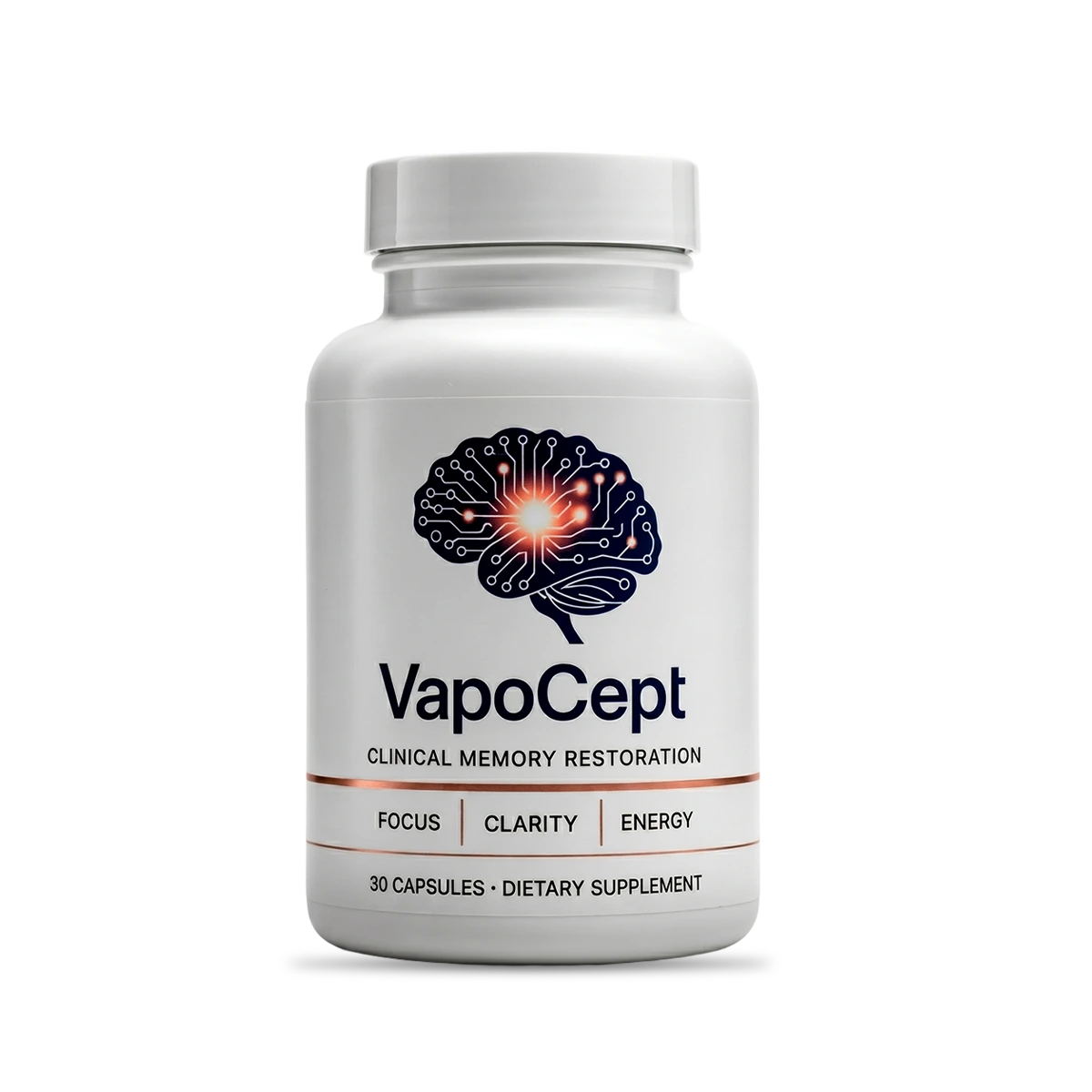
Six extracts is an unusual number. Single-ingredient products are easier to study; twenty-ingredient products are easier to market. Six suggests an attempt to cover several pathways without diluting any of them into irrelevance. Here's what each one is and what the research actually shows.
1. Ginkgo Biloba Extract
What it is: Leaf extract from Ginkgo biloba, a tree species that has survived essentially unchanged for over two hundred million years. The active fractions are flavonoid glycosides and terpene lactones.
Why it's in a memory formula: Ginkgo has been associated with vascular tone and antioxidant activity, and the long-standing rationale is support for blood flow to brain tissue. It is by a wide margin the most-studied botanical in this category.
The evidence, honestly: Mixed, and interesting because of it. A number of controlled trials in healthy older adults report modest gains in attention, recall speed and self-reported mental clarity. The large Ginkgo Evaluation of Memory study, which followed several thousand older adults over years, found ginkgo did not reduce dementia incidence. The fair conclusion is that it isn't a preventive drug, and the shorter-term everyday-cognition findings are why it remains in formulas like this one.
Cautions: May affect bleeding time. Discuss with a doctor if you take anticoagulant or antiplatelet medication, and it is usually stopped before scheduled surgery.
2. Marigold Extract (Lutein and Zeaxanthin)
What it is: Extract of marigold petals, the standard commercial source of the carotenoids lutein and zeaxanthin.
Why it's in a memory formula: Most people file lutein under eye health, and that's where the research started. The less familiar finding is that lutein crosses into brain tissue and concentrates there — it is not just passing through the bloodstream.
The evidence, honestly: This is the ingredient with the most coherent story. Studies measuring lutein status in older adults find consistent associations with better performance on memory and processing-speed tasks, and intervention trials have generally pointed the same way. The caveat is the usual one: much of the data is observational, and association is not proof of cause.
Cautions: Excellent safety record. Fat-soluble, so take with a meal containing some fat.
3. Turmeric Extract
What it is: Root extract of Curcuma longa, supplying curcuminoids — the compounds responsible for turmeric's colour and most of its studied activity.
Why it's in a memory formula: Oxidative stress and chronic low-grade inflammation are both implicated in how the brain ages. Curcuminoids act on both in laboratory models more convincingly than almost any other common plant compound.
The evidence, honestly: Outstanding in the lab, modest in humans, and the gap is largely about absorption. Plain curcumin is poorly absorbed from the gut. An 18-month randomised trial in older adults using a bioavailability-enhanced form reported improvements in memory and attention scores — a genuinely encouraging result from a small group of participants.
Cautions: Can cause mild stomach upset taken without food. Stimulates bile flow, which is relevant if you have gallbladder disease. May interact with blood thinners at high doses.
4. Green Tea Extract
What it is: Concentrated catechins from Camellia sinensis, principally EGCG, along with the small amount of caffeine and L-theanine naturally present in the leaf.
Why it's in a memory formula: Green tea has an unusual pharmacological signature — mildly stimulating and mildly calming at once. The caffeine-plus-theanine pairing has been studied specifically for attention, and the catechins contribute water-soluble antioxidant activity that complements the fat-soluble compounds elsewhere in the formula.
The evidence, honestly: Good short-term data on attention and working memory. Thin long-term data on cognitive aging specifically. The antioxidant chemistry is not in dispute; the decades-long outcome trials simply haven't been run.
Cautions: Contains caffeine, though far less than a cup of coffee. Morning dosing is sensible if you're caffeine-sensitive.
5. Bamboo Extract
What it is: Extract from bamboo stems and leaves, the richest known plant source of bioavailable silica, with flavonoid antioxidants alongside.
Why it's in a memory formula: Silica contributes to connective tissue integrity, including the connective tissue in blood vessel walls, and the flavonoid fraction adds antioxidant capacity.
The evidence, honestly: Thin where cognition is concerned. There is no meaningful body of human research linking bamboo extract to memory outcomes. We'd describe it as a supporting ingredient, and we'd rather say that plainly than build a story around a plant that hasn't earned one yet.
Cautions: Generally well tolerated.
6. D-Glucosamine Sulfate Potassium Chloride
What it is: An amino sugar the body synthesises naturally, supplied here as the sulfate form stabilised with potassium chloride.
Why it's in a memory formula: This is the least obvious inclusion. The argument rests on large observational datasets in which habitual glucosamine users showed lower inflammatory markers and better cardiovascular outcomes — and cardiovascular health and cognitive health are closely linked over the long run.
The evidence, honestly: Indirect. There is no meaningful body of trials testing glucosamine for memory outcomes. Observational associations cannot establish cause, and people who take supplements regularly differ from people who don't in ways that are hard to fully adjust for.
Cautions: Glucosamine is sometimes shellfish-derived. Anyone with a shellfish allergy should confirm the source before ordering. May affect blood sugar in some people, so discuss with a doctor if you manage diabetes.
Putting it together
If you ranked these six by weight of evidence, you'd get roughly: lutein from marigold, then ginkgo, then turmeric and green tea, then bamboo and glucosamine. That is not a criticism of the formula — almost every multi-ingredient supplement on the market has a similar spread. It is simply the information you need to judge it honestly, and it's the reason we've put it on the page instead of leaving you to find out on your own.
See Pricing & Packages