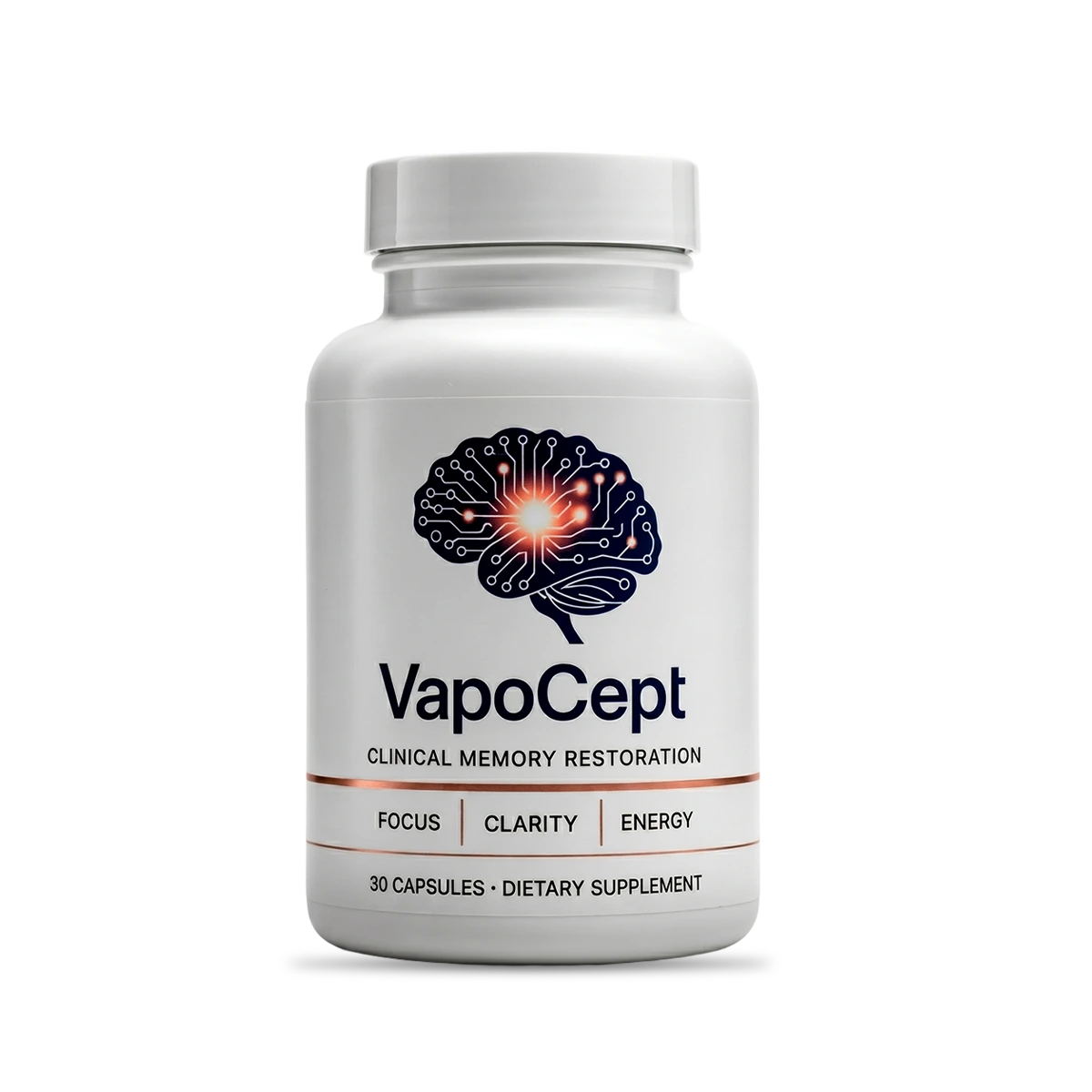
Six premium botanical extracts in one daily capsule — Ginkgo Biloba, Turmeric, Marigold, Green Tea, Bamboo and D-Glucosamine Sulfate. Every ingredient named on the label, none hidden in a proprietary blend, and all of it backed by a full 60-day money-back guarantee.
60-day money-back guarantee · Free shipping on 3 and 6 bottles

"Patients almost never bring me the front of the bottle. They bring me the back — and that's the half that actually answers the question they're asking."
In more than two decades of practice, the most common supplement question Dr. McCahren has heard isn't does it work. It's what's in it, and will it interfere with anything I already take. Those are answerable questions — but only when a label doesn't hide behind the phrase "proprietary blend."
VapoCept® is built the other way round. Six actives, each named. Three inactive ingredients, each named. That means you can check every ingredient against your own medication list and your own doctor's advice before a single dollar leaves your pocket — which is exactly how a supplement purchase should work.
Dr. McCahren reviewed the formulation and ingredient documentation for accuracy. This is an educational review of a dietary supplement and does not constitute a diagnosis, a prescription, or personal medical advice for any individual reader.
Six premium actives, three simple inactives, and nothing hidden anywhere on the panel.
Other ingredients: Bovine Gelatin Capsule, Magnesium Stearate, Microcrystalline Cellulose.
Exact milligram amounts per serving are printed on the physical bottle panel and on the official checkout page.
What each extract is, why it earned a place in the formula, and what the research behind it shows.
The most-studied botanical in the memory category, drawn from the leaves of one of the oldest surviving tree species. Its flavonoid glycosides and terpene lactones are associated with vascular tone and antioxidant activity, and the traditional rationale is support for blood flow to brain tissue.
Evidence: Substantial but genuinely mixed. Several trials report modest improvement in attention and recall in older adults; the large GEM trial found it did not reduce dementia incidence. Useful to know both halves.
Marigold petals are the standard commercial source of lutein and zeaxanthin — carotenoids most people associate with eye health. Less well known is that lutein accumulates in brain tissue as well as in the retina.
Evidence: A growing set of observational studies finds that higher lutein status tracks with better performance on memory and processing-speed measures in older adults. Association is not causation, but the mechanism is plausible and the safety record is excellent.
The curcuminoids in turmeric root are among the better-characterised plant antioxidants, with well-documented activity against oxidative stress and inflammatory signalling — two processes involved in how the brain ages.
Evidence: Strong laboratory data, smaller human data. A frequently cited 18-month trial in older adults reported memory and attention improvements with a bioavailability-enhanced form. Plain curcumin absorbs poorly, which is why taking it with food matters.
Concentrated catechins, principally EGCG, plus the naturally paired amino acid L-theanine. Green tea has the unusual profile of being both stimulating and calming — a small amount of caffeine alongside a compound associated with relaxed alertness.
Evidence: Good antioxidant data and several short-term studies on attention and working memory. Long-term cognitive-aging trials are still thin.
The richest plant source of bioavailable silica, plus a set of flavonoid antioxidants. Silica is better known for connective tissue, hair and nails, and it appears here mainly as an antioxidant and structural-support contributor.
Evidence: Strong for connective tissue and antioxidant support; limited where cognition specifically is concerned. A supporting ingredient in the formula rather than a headline one.
An amino sugar the body makes naturally, stabilised here with potassium chloride for shelf life. Most people recognise it from joint formulas, and that's its best-established use.
Evidence: Large observational datasets link habitual glucosamine use with lower inflammatory markers and better cardiovascular outcomes — and cardiovascular health and long-term cognitive health travel together. The cognitive evidence is indirect rather than direct.
Brain tissue is metabolically expensive. It's roughly two percent of body weight and consumes around twenty percent of the oxygen you breathe, and that rate of oxygen use generates reactive byproducts continuously. The body neutralises most of them; the capacity to do so tends to decline with age.
Five of the six extracts in VapoCept® — ginkgo, turmeric, marigold, green tea and bamboo — contribute antioxidant compounds from different chemical families. The reasoning behind combining them is that no single antioxidant works everywhere, because different compounds are active in different tissue environments, water-soluble versus fat-soluble compartments included.
Oxygen and glucose reach neurons through a dense capillary network, and the responsiveness of those vessels — how readily they widen when a brain region becomes active — tends to decrease with age. Ginkgo Biloba's traditional and research rationale sits here, and the vascular associations reported for glucosamine and green tea catechins belong to the same conversation.
This is support for a normal physiological process, not a repair mechanism. Nothing in a capsule reverses vascular aging.
Marigold extract does something the other five don't: lutein physically accumulates in neural tissue over months of consistent intake. That's a slow, cumulative process rather than a daily effect, and it's one of the clearer arguments for taking a formula like this consistently rather than occasionally.
It's also why the 3- and 6-bottle packages aren't purely a pricing device. The research timelines on these ingredients are measured in months.
There's no stimulant here beyond the trace caffeine in green tea, so this is not a formula built to produce a noticeable jolt of alertness. There's also no racetam, no prescription-adjacent compound, and nothing that acts on neurotransmitter systems directly.
VapoCept® is built for the long game — daily botanical support you take the way you'd take a multivitamin, working quietly in the background rather than spiking and crashing.
Not a dramatic overnight change — the steady, everyday sharpness that makes ordinary moments easier.
Individual experiences vary. VapoCept® supports everyday cognitive wellness alongside good sleep, regular movement and healthy blood pressure.

"I've got a cardiologist and a long medication list, so the first thing I did was print the ingredient panel and take it to my appointment. He read it, flagged the ginkgo because of my aspirin, and we made a plan. That whole conversation was possible because nothing was hidden in a blend. Three months in and I'm not claiming miracles — I am claiming I'm less annoyed with myself by four in the afternoon."

"I'd bought two other brain supplements before this one and returned both, mostly because I couldn't find out what dose of anything I was taking. This was the first label I could read straight through. I take it with breakfast, it hasn't upset my stomach once, and around week six I noticed I'd stopped writing myself quite so many reminder notes. Small thing. Still counts."

"Honest review: the first month I felt nothing at all and nearly sent it back. My wife talked me into finishing the second bottle. Somewhere in there my crossword times got better and I stopped losing the thread mid-sentence quite as often. Four stars instead of five because nobody warned me it would take that long — the site here actually does say it, which is more than the last one I tried."
Testimonials reflect individual experiences and are not a guarantee that you will have the same result.
One capsule a day, so one bottle is one month. Every package is protected by the same 60-day money-back guarantee.
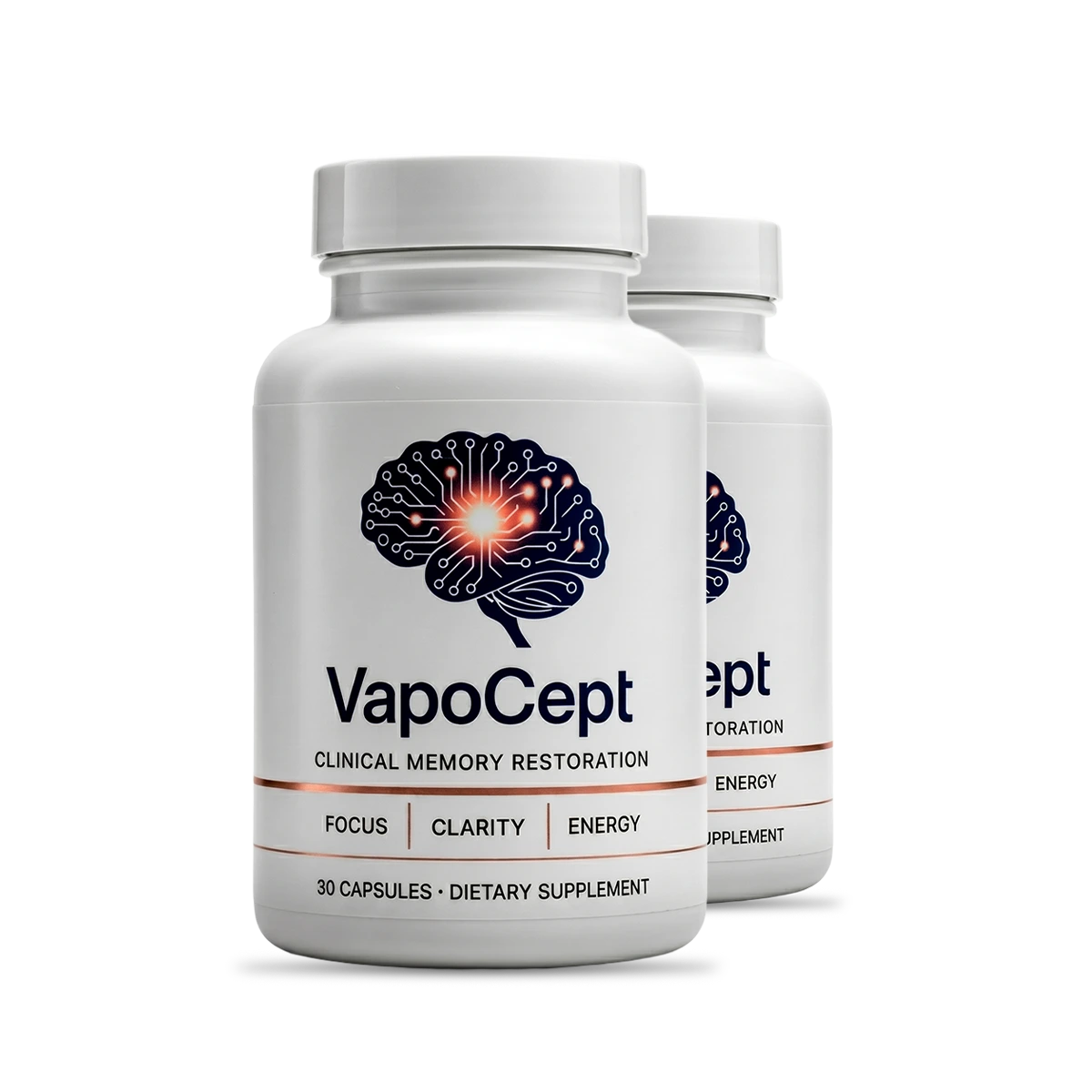
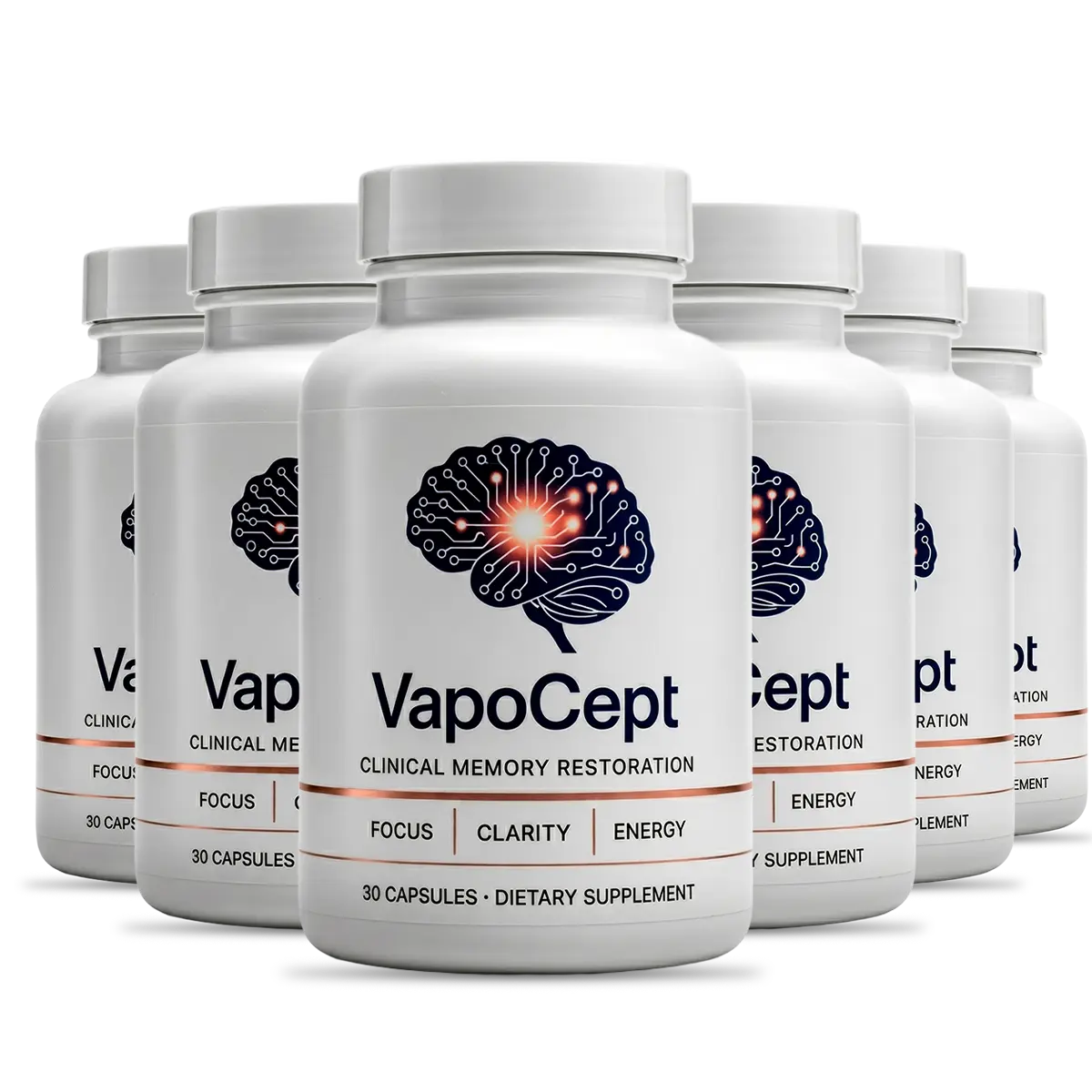
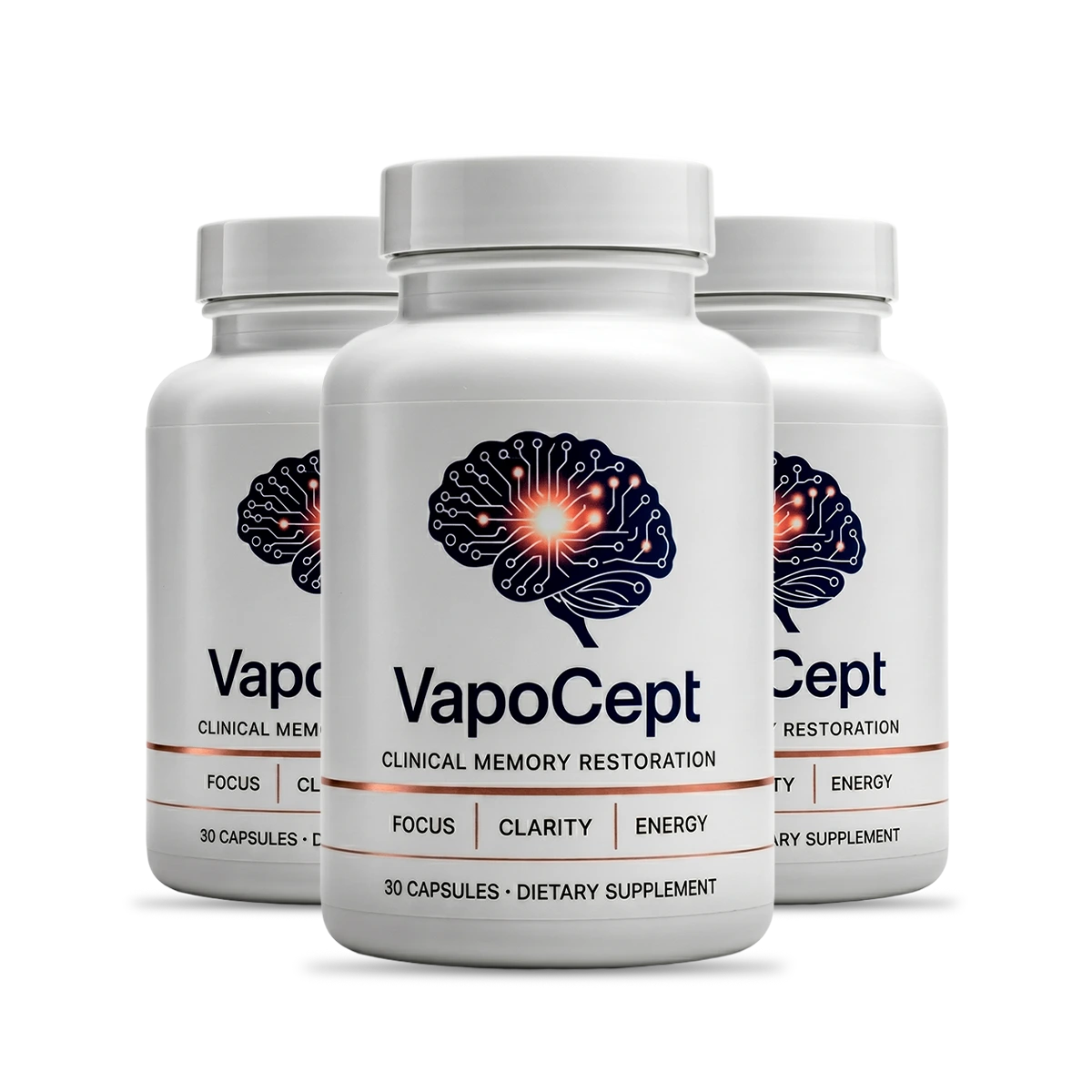
Prices, shipping terms and refund procedures are set by the official retailer and confirmed at checkout. Discount percentages are calculated against the full single-bottle list price of $179.
Graded ingredient by ingredient, because you deserve the full picture before you order.
"The useful question isn't whether a study exists. It's how many people were in it, how long it ran, and whether the outcome measured is the one you care about."
Botanical research is uneven by nature. Ginkgo has been studied in thousands of people across decades. Bamboo extract has a much smaller cognitive literature. Both facts can be true in the same bottle, and you're better served by a brand that tells you which is which.
Educational summary only. Discuss any supplement with your own physician, particularly if you take prescription medication.
Ginkgo has been through more controlled human trials than any other ingredient in this formula. Several report modest gains in attention, recall speed and subjective mental clarity in healthy older adults. The large Ginkgo Evaluation of Memory study, which followed several thousand older adults for years, found it did not reduce the incidence of dementia.
The reasonable reading is that ginkgo is not a preventive drug and shouldn't be sold as one, while the shorter-term findings on everyday cognitive performance remain interesting and are the reason it stays in formulas like this one.
Note: ginkgo can affect bleeding time. If you take an anticoagulant or antiplatelet medication, or have surgery scheduled, talk to your doctor first.
Measurements of lutein status in older adults correlate consistently with performance on memory and processing-speed tasks, and autopsy work has confirmed that lutein concentrates in brain tissue rather than merely passing through. Intervention trials are smaller and newer but have generally pointed the same direction.
This is the ingredient with the best combination of plausible mechanism, accumulating evidence and an excellent safety profile.
Curcuminoids are among the best-characterised plant antioxidants in laboratory settings. Translating that into human cognitive outcomes has been harder, largely because plain curcumin is absorbed poorly. An 18-month randomised trial in older adults using a bioavailability-enhanced form reported improvements in memory and attention scores — encouraging, but conducted in a small group.
Practical implication: take the capsule with a meal containing some fat. It genuinely affects absorption.
Catechins including EGCG have well-documented antioxidant activity, and short studies on attention and working memory — often attributed to the caffeine-plus-theanine combination found naturally in tea — have produced reasonably consistent results. What's missing are multi-year trials measuring cognitive aging specifically.
Neither ingredient has meaningful direct human research on memory or cognition. Bamboo contributes bioavailable silica and flavonoid antioxidants; glucosamine's case rests on large observational datasets associating regular use with lower inflammatory markers and better cardiovascular outcomes, which is an indirect argument at best.
They earn their place for antioxidant, structural and inflammatory support — but the memory research is carried by lutein, ginkgo and turmeric, and we'd rather tell you that than let you guess.
References to published research describe studies on individual ingredients, not on the finished VapoCept® product. No clinical trial has been conducted on this specific combination. These statements have not been evaluated by the Food and Drug Administration.
Facility standards don't prove a formula works. They do tell you what's in the capsule matches what's on the panel.





FDA-registered facility means the manufacturing site is registered with and subject to inspection by the FDA. It does not mean the FDA has approved, endorsed or evaluated VapoCept® — no dietary supplement receives that.
GMP certified refers to Good Manufacturing Practice standards covering ingredient identity testing, batch records, contamination controls and record retention. This is the badge that most directly supports label accuracy.
Foreign and domestic ingredients is simple honesty about sourcing. Ginkgo, turmeric and bamboo are grown where they're grown; blending and encapsulation happen domestically.
Take it with food rather than on an empty stomach. Turmeric's curcuminoids and marigold's lutein are both fat-soluble, so a meal containing some fat — eggs, yoghurt, avocado, olive oil — meaningfully improves how much you actually absorb.
Green tea extract carries a small amount of natural caffeine. It's nowhere near a cup of coffee, but if you're sensitive to caffeine or a light sleeper, breakfast is a better slot than dinner.
The most common reason a supplement fails isn't the formula — it's forgetting it. Put the bottle beside the coffee maker or the toothbrush. Consistency over months is what the ingredient research is actually measuring.
Most trials on these ingredients run eight to twenty-four weeks. Expect to assess honestly at the two- to three-month mark, not the two-week mark.
Try VapoCept® for a full two months. If you're not happy with how you feel, contact the retailer's support team and get your money back — even if the bottles are empty. That's how confident we are in the formula.
Return shipping and specific refund procedures are set by the official retailer and shown in full at checkout. Read those terms before ordering.
View PackagesSingle-nutrient pills cover a single mechanism. VapoCept® brings together six plant and nutrient extracts working across antioxidant defence, circulation and cellular protection — in one capsule instead of five separate bottles.
Most brain supplements bury their actives inside a "proprietary blend" so you can never tell how much of anything you're getting. VapoCept® lists all six by name. You can check each one against your own medication list before you order.
Energy nootropics give you a spike and then take it back, usually along with your sleep. VapoCept® is stimulant-free apart from the trace caffeine naturally present in green tea — steady daily support, not a rollercoaster.
No loading phase, no timed second dose, no separate "activator" bottle to buy. Thirty capsules, thirty days, taken with breakfast. The simplest routine is the one people actually stick to.
Produced in a GMP-certified, FDA-registered facility with non-GMO, 100% natural ingredients. Those standards are what make the label on the bottle match what's inside it.
Botanical formulas build gradually, so a two-week trial proves nothing. The guarantee runs a full 60 days — long enough to judge it properly — and it covers opened bottles, not just sealed ones.
Six active botanical and nutrient extracts: D-Glucosamine Sulfate Potassium Chloride, Ginkgo Biloba Extract, Turmeric Extract, Marigold Extract, Green Tea Extract and Bamboo Extract. The other ingredients are a bovine gelatin capsule, magnesium stearate and microcrystalline cellulose. Every active is named individually rather than pooled into a proprietary blend.
No. The capsule shell is bovine gelatin, an animal-derived ingredient, and the product is not certified halal or kosher. If any of those matter to you, VapoCept® isn't the right fit — and we'd rather tell you here than have you find out after ordering.
It varies by ingredient, which is the honest answer. Ginkgo Biloba and lutein from marigold carry the largest bodies of human cognitive research, though ginkgo's results are genuinely mixed. Turmeric and green tea have strong antioxidant data and smaller, more preliminary cognitive trials. Bamboo extract and D-glucosamine have very little direct research on memory. The Evidence section above grades each one individually.
The interaction worth taking seriously is ginkgo and blood-thinning medication — warfarin, aspirin, clopidogrel and similar — because ginkgo can affect bleeding time. It's also generally stopped before scheduled surgery. Turmeric can cause mild stomach upset taken without food and can stimulate bile flow, which matters if you have gallbladder disease. Green tea extract contains a small amount of natural caffeine. Talk to your doctor before starting if any of these apply.
One capsule daily with a meal and a full glass of water, ideally in the morning. Food containing some fat improves absorption of the lutein and curcuminoids. There's no loading phase and no second product to buy.
Most human trials on these ingredients run eight to twenty-four weeks before measuring outcomes. Two to three months is a fair assessment window. Anyone promising results in days is describing marketing, not how plant extracts behave in the body.
No. VapoCept® is a dietary supplement and is not intended to diagnose, treat, cure or prevent any disease, including Alzheimer's disease or any form of dementia. If memory changes are new, worsening, or interfering with daily life, that's a conversation for a physician — not a supplement purchase.
Two bottles $158 ($79 each), three bottles $207 ($69 each, free shipping), six bottles $294 ($49 each, free shipping). All three are covered by a 60-day money-back guarantee, opened bottles included. Final pricing and full return terms appear at the official checkout.
Six premium botanicals, 73% off today, free US shipping on 3 and 6 bottles, and a full 60 days to change your mind. Your sharpest days are still ahead of you — start them now.
60-day money-back guarantee · Free shipping on 3 and 6 bottles · Secure checkout